
We exists to create professional impact, not quick fixes.
We help professionals improve how they work — and the quality of their work — through English.
In many workplaces, English is not just a skill — it shapes how people think, collaborate, solve problems, and make decisions. Yet for many professionals, especially at elementary to pre-intermediate levels, limited language ability affects confidence, participation, and performance at work.
We work with professionals across levels to help them use English more effectively in real workplace situations. Our focus goes beyond accuracy or fluency. We pay close attention to the effort it takes to try, encouraging learners to take risks, make mistakes, and gradually communicate with more clarity and confidence.

Why organisations work with ELC?
HR and L&D teams often tell us the same thing: – Employees understand English passively but struggle to speak up – Confidence drops in meetings, presentations, or cross-border communication – Language training improves test scores, but behaviour at work stays the same
ELC addresses this gap.
We design English training that is directly connected to how people actually work — how they explain ideas, ask questions, clarify problems, and collaborate with others.

Our Approach
Guided professional development. Work-focused. Human by design.
ELC’s approach is built on three principles:

1. English is always tied to real work
We do not teach English in isolation. Language is practised through realistic workplace contexts — meetings, emails, discussions, problem-solving, and collaboration.

2. Effort matters as much as output
We understand how uncomfortable it can feel to speak with limited language. Learners are guided carefully, encouraged to try, and supported while making mistakes. Psychological safety is not an extra — it is central to learning.

3. Change takes time
ELC does not promise instant results. Meaningful improvement in communication behaviour develops through consistent practice, reflection, and guided use over time.
This approach allows learners at all levels — including elementary and low pre-intermediate — to build confidence and capability without being rushed or judged.
Services
Corporate English Language Development
We design and deliver customised English training programmes for organisations across industries.
What this includes: – Detailed placement testing and needs analysis (written & speaking) – Programmes aligned with job roles and communication demands – Small-group or individual training – Online, in-person, or hybrid delivery – Flexible scheduling for working professionals
ELC works with learners across proficiency levels. For lower-level learners, we focus strongly on confidence, participation, and safe practice. For higher-level learners, we refine clarity, structure, and professional impact.
Professional Communication Development
For professionals who need more focused support, we offer targeted guided professional development in areas such as: – Meetings and discussions – Presentations and briefings – Cross-functional and cross-cultural communication – Writing clearer, more effective workplace messages
This service is especially suitable for managers, specialists, and professionals working in regional or global contexts.
For Learners
Learning English at work is not easy — we understand that.
Many adult learners have had negative experiences with language learning in the past. At ELC, learners are treated as professionals first, not students.
You will be: – Guided step by step – Encouraged to try, even when unsure – Given practical language you can use immediately at work – Supported in building confidence, not just vocabulary
Progress may feel gradual — and that is intentional. Sustainable improvement comes from consistent effort, not pressure.
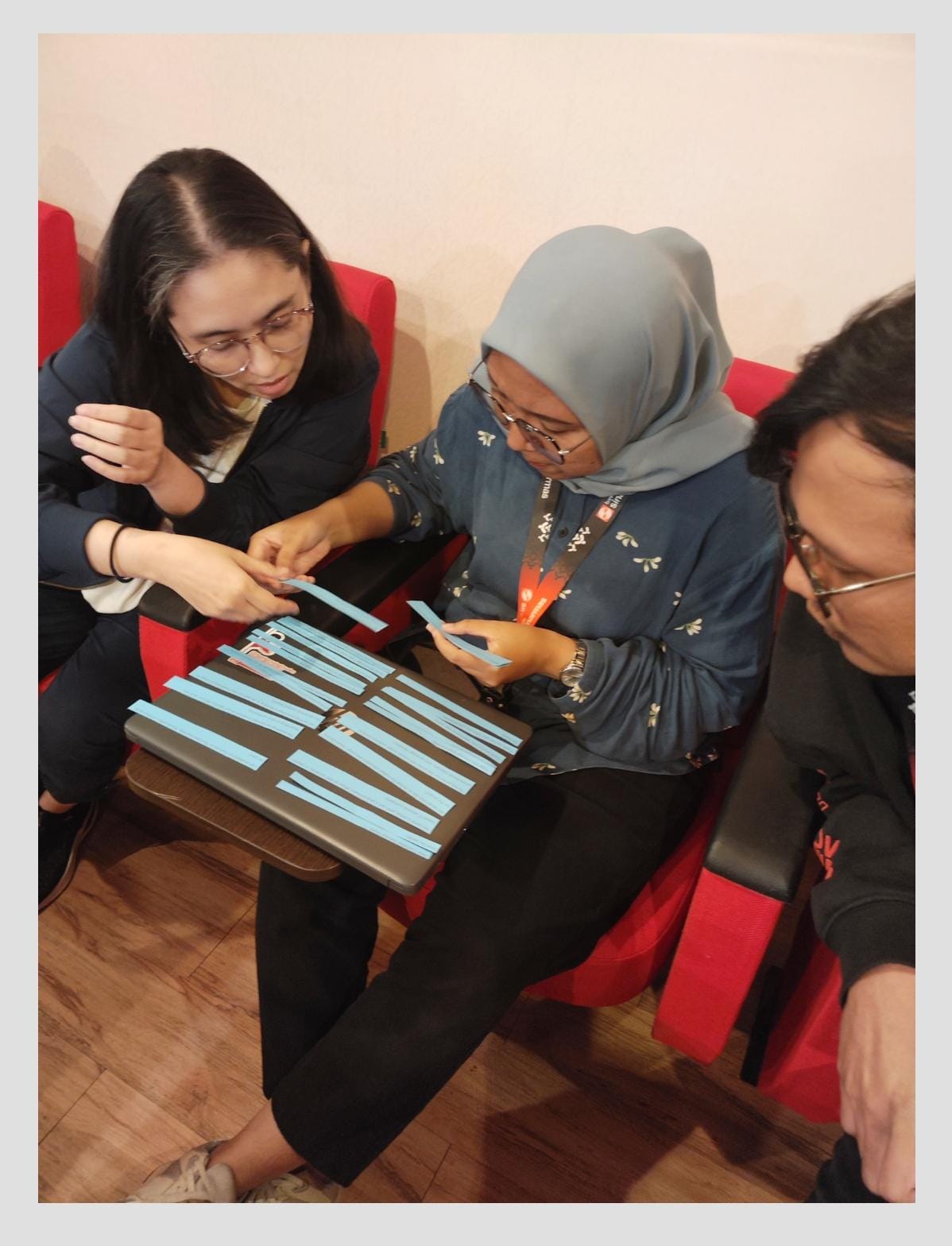

Why ELC?
ELC is not a mass provider. We prioritise quality, fit, and long-term impact.
Our trainers are internationally qualified ESL professionals with extensive teaching and business experience. Training decisions are overseen closely to ensure relevance and effectiveness.
More importantly, we bring quiet experience. We observe how people communicate at work, identify patterns, and design training that addresses real challenges — not just language gaps.